
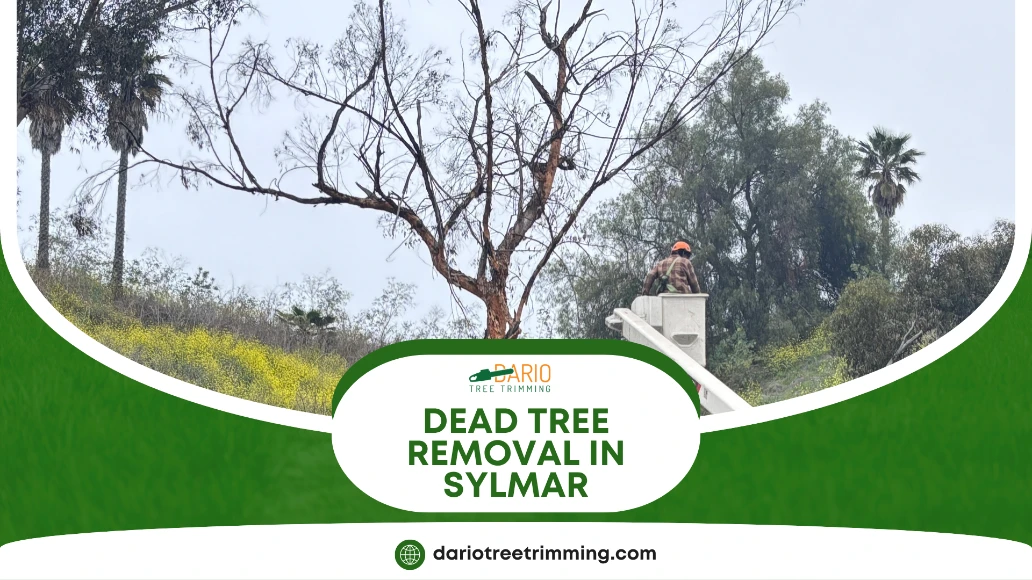
In Sylmar, where dry summers, seasonal winds, and prolonged heat are common, tree health is closely tied to property safety. A dead or dying tree is not only a visual concern but also a potential structural and environmental risk that can escalate faster than many homeowners expect. What often begins as minor decline can quickly progress into weakened limbs, unstable roots, or full tree failure under wind or heat stress. This is why understanding timing is critical when it comes to dead tree removal in Sylmar.
Tree decline is also not always immediate or easy to notice. A tree may remain standing for months while slowly losing internal strength, especially in Sylmar’s dry conditions where soil moisture fluctuates and seasonal winds add stress. By the time visible symptoms appear, the risk is often already advanced. Beyond safety concerns, dead trees can affect surrounding soil conditions, attract pests, and place additional stress on nearby healthy vegetation, especially in tightly connected residential areas.
Understanding early warning signs and knowing when to take action is essential in preventing property damage and maintaining a safer outdoor environment.
Signs Your Tree Is No Longer Structurally Safe
Tree failure rarely happens without warning, but the signs are not always easy to interpret. Some indicators are visible, while others are hidden beneath the bark or within the root system.
Visible Structural Decline
One of the clearest signs of a dead or failing tree is the loss of foliage during active growing seasons. If surrounding trees are thriving while one remains bare or sparsely leafed, this often indicates that the tree is no longer functioning properly.
Other visible indicators include brittle branches that snap easily under light pressure, large sections of missing bark, or exposed wood that appears dry and cracked. These conditions suggest that the tree is no longer transporting nutrients effectively.
Trunk cracks are another important warning sign. While some trees naturally develop surface fissures, deep or expanding cracks can indicate structural weakness. In Sylmar’s dry conditions, these weaknesses can worsen over time as the wood loses flexibility.
Internal Decay and Hidden Damage
Not all damage is visible from the outside. In many cases, trees appear stable while internal decay progresses. This is especially common in older trees or those that have experienced long periods of drought stress.
Fungal growth near the base of a tree is one of the most important indicators of internal rot. Mushrooms or conks suggest that decay is already present within the root system or lower trunk structure. Once decay reaches this stage, structural stability is often compromised.
Soft or hollow-sounding sections of the trunk can also indicate internal degradation. A tree may look intact but have weakened support systems inside, making it unpredictable during high winds or heavy rain.
Root Instability and Ground Movement
Root systems are critical to tree stability, but they are often overlooked because they are underground. In Sylmar’s soil conditions, where moisture levels fluctuate significantly, roots can become unstable or unevenly anchored.
Signs of root failure include soil lifting around the base of the tree, exposed roots, or sudden leaning that was not previously present. A tree that begins shifting direction over time may be experiencing root compromise, which significantly increases the risk of collapse.
Homeowners facing these conditions often require hazardous tree removal in Los Angeles County services to safely evaluate and address structural risks before they worsen.
Why Timing Matters Dead Tree Removal in Sylmar
The timing of removal plays a major role in both safety and cost. A tree that is removed early in its decline is far easier to manage than one that has already become structurally unstable.
Progressive Deterioration Over Time
Dead trees do not fail instantly. Instead, they weaken gradually as moisture leaves the wood and structural fibers break down. In Sylmar’s warm and dry climate, this process can accelerate during summer months when heat stress is highest.
As deterioration continues, branches become more brittle, making them more likely to break unexpectedly. Even if the trunk remains upright, the canopy can become hazardous well before total failure occurs.
Increased Risk During Seasonal Winds
Sylmar experiences periodic wind events that can place sudden stress on weakened trees. These winds often reveal structural weaknesses that were not previously visible. A tree that might have stood for months can fail during a single strong gust if internal stability has already been compromised.
Compounding Property Risks
Delaying removal does not only affect the tree itself. Surrounding areas are also impacted. Falling branches can damage roofs, fences, and vehicles. Additionally, soil displacement from unstable roots can affect nearby hardscapes such as driveways and retaining walls.
This is why proactive evaluation is often recommended rather than waiting for visible failure.
Environmental and Property Risks of Leaving a Dead Tree in Place
While structural collapse is the most immediate concern, dead trees also create secondary environmental and property risks that often go unnoticed.
Fire Vulnerability in Dry Conditions
In a region like Sylmar, where dry vegetation is common during summer and fall, dead trees can contribute significantly to fire risk. Dry wood ignites more easily and burns faster than living material, making it a potential fuel source during wildfire conditions.
Pest Colonization and Spread
Dead trees provide an ideal environment for insects such as termites, beetles, and carpenter ants. These pests are drawn to decaying wood and can eventually migrate to nearby healthy trees or wooden structures.
Once infestation spreads, it can affect fences, decks, and even home framing in severe cases. What begins as a single tree issue can evolve into a broader structural concern if left unaddressed.
Impact on Surrounding Plant Health
A dead tree can also influence soil conditions. As decomposition progresses, nutrient balance in the surrounding soil may shift, affecting nearby plant health. In some cases, healthy trees begin showing signs of stress when competing with decaying root systems nearby.
This is one reason professionals often recommend evaluating the entire area when addressing dead tree concerns.
When Professional Evaluation Becomes Necessary
While some signs are easy to identify, determining structural risk often requires professional assessment. Not all trees showing signs of decline need immediate removal, but understanding the severity of the issue is critical.
High-Risk Situations That Require Attention
Professional evaluation is especially important when:
- Trees are located near homes, garages, or power lines
- Large branches show visible decay or instability
- Root systems appear exposed or lifted
- Trees have recently been affected by storms or wind events
- Fungal growth is present near the base or trunk
In these situations, trained professionals can assess whether the tree can be preserved, monitored, or safely removed.
Companies like Dario Tree Trimming rely on local experience in Sylmar’s terrain and climate conditions to make informed recommendations. Their approach focuses on safety, clarity, and understanding the full condition of the tree before suggesting removal.
When necessary, hazardous tree removal in Los Angeles County services ensure that unstable trees are handled with proper equipment and safety procedures, reducing risk to surrounding property.
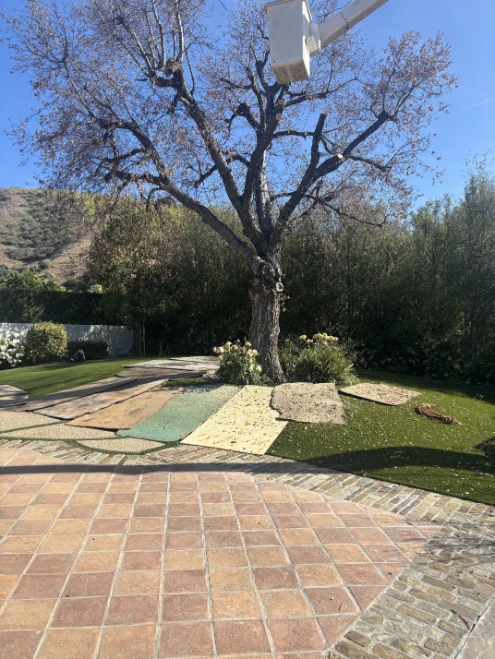
Don’t Wait Until It Falls, Protect Your Property with Dario Tree Trimming
A dead tree may seem like a minor issue today, but we know how quickly it can turn into a serious hazard, especially here in Sylmar. That’s why we always recommend taking action sooner rather than later. If you’ve noticed signs of decay, instability, or damage, it may be time to consider dead tree removal in Sylmar before the situation worsens.
At Dario Tree Trimming, we focus on helping homeowners make informed decisions based on real tree conditions rather than assumptions. Every property is different, and every tree requires careful evaluation to determine the safest and most appropriate next step. If you suspect a tree on your property may be weakening, contact us today and let’s take care of it together, your safety and peace of mind are always our priority.
We are here to provide clear, professional guidance so you can move forward with confidence and peace of mind knowing your property is being looked after responsibly.
